
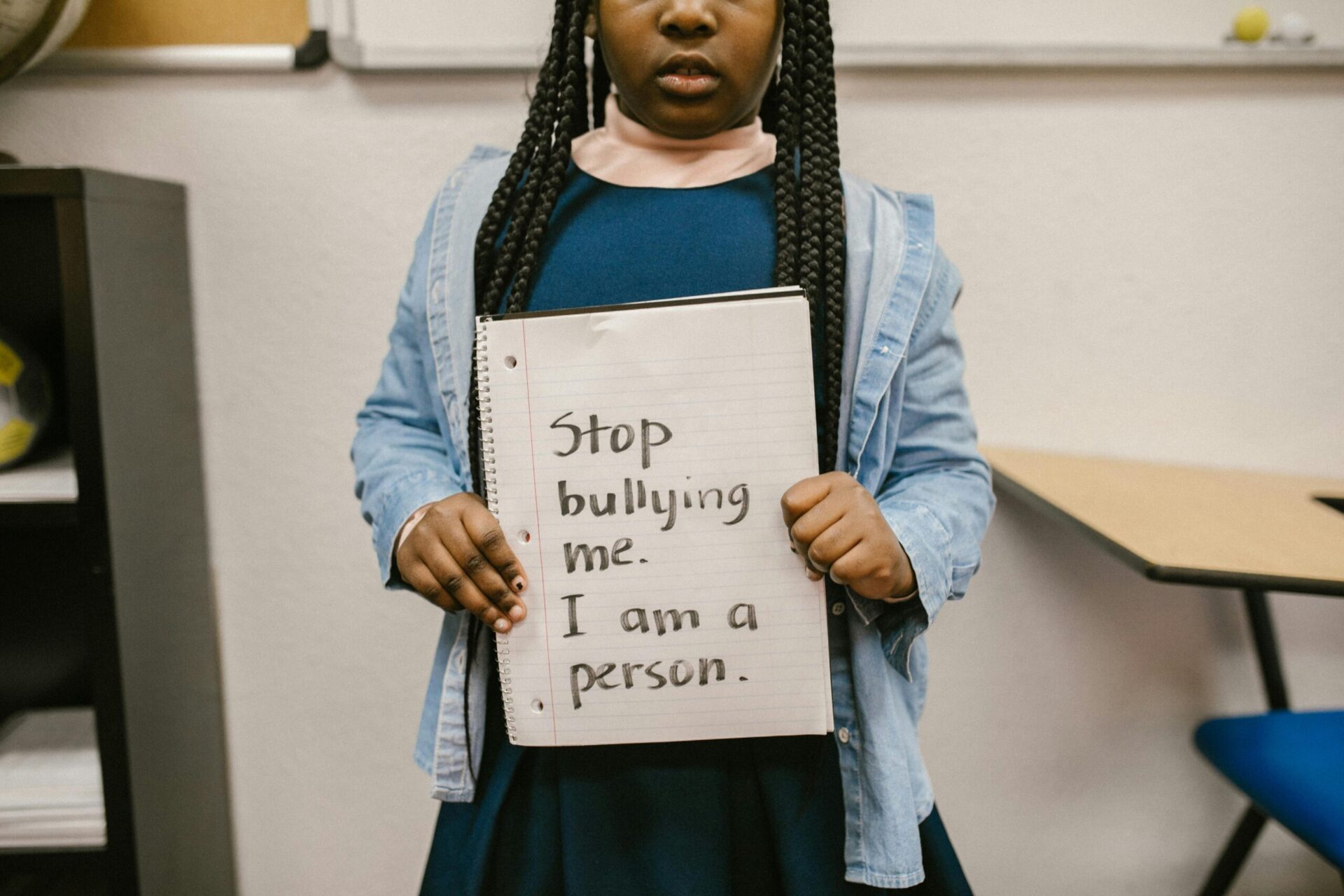
Cyberbullying is the willful and repeated inflicting of harm through use of electronic devices. It includes sending, posting, or sharing negative, harmful, false, or mean content about someone else. It can include sharing personal or private information about someone else causing embarrassment or humiliation. Some cyberbullying crosses the line into unlawful or criminal behavior.
It is not uncommon for someone with more power and influence to aggressively target you online, repetitively focused on cruelty with or without a specific intent. The Communication Authority of Kenya reported that more than 50% of children experience various forms of cyber malpractice, yet they are the fastest growing online demographic. All cases of cyberbullying are handled and investigated by the DCI Kenya using evidence based approach.
The Children’s Act 2022 section 22, sub-section 5 states that a person who intentionally transmits or causes the transmission of any communication through a computer system or network to bully a child, and such communication places the child in fear of death, violence or bodily harm, commits an offence and shall, on conviction, be liable to imprisonment for a term not exceeding ten years or to a fine not exceeding two million shillings, or to both. The term “bullying” includes cyber bullying or the use of information communication technology calculated to harm a victim or victims in deliberate, repeated and hostile ways contrary to the Computer Misuse and Cybercrimes Act.
Sharing ”obscene material” includes any book, magazine, film, video or audio tape using print or electronic or social media or other medium which is of a kind targeted at or is likely to fall into the hands of children and which consists wholly or mainly of stories in pictures with or without addition of written matter or video films and cassette tapes which contains pictures or stories which portray harmful, morally repugnant or sexually explicit information, such as (a) the commission of crime; (b) acts of violence; or (c) incidents of repulsive or indecent representation or immoral characters;
Grooming means establishing a relationship of trust or emotional connection either personally or through electronic means, with the aim to manipulate the child or adult care giver and which relationship may facilitate sexual contact or other child abuse that promotes, induces or normalizes sexual activity or behaviour among or with children.

Teenagers are encouraged to look out and report all cases of cyberbullying to the relevant authorities. Speak out, ask questions to learn what is happening, how it started and who is involved. Parents can also limit websites available for access by their children by using passwords or code protection in their home networks. Be aware of what your children are doing online. Document what is happening and where. Seek support from peers, mentors and trusted adults who can positively intervene in such a situation.