
- What is HPV?
– Human Papillomavirus: HPV is a group of more than 200 related viruses. Some types of HPV can cause cervical cancer, while others can cause genital warts and various other cancers (e.g., anal, oral, and oropharyngeal cancers).
– Transmission: HPV is primarily transmitted through intimate skin-to-skin contact, usually during sexual activity.2. Types of HPV Vaccines
There are several HPV vaccines currently available:
– Gardasil: Protects against HPV types 6, 11, 16, and 18 (the latter two are responsible for about 70% of cervical cancers).
– Gardasil 9: An expanded version that protects against nine HPV types (6, 11, 16, 18, 31, 33, 45, 52, and 58), covering approximately 90% of cervical cancer cases.
– Cervarix: This vaccine protects against HPV types 16 and 18 but does not protect against genital warts.3. Who Should Get Vaccinated?
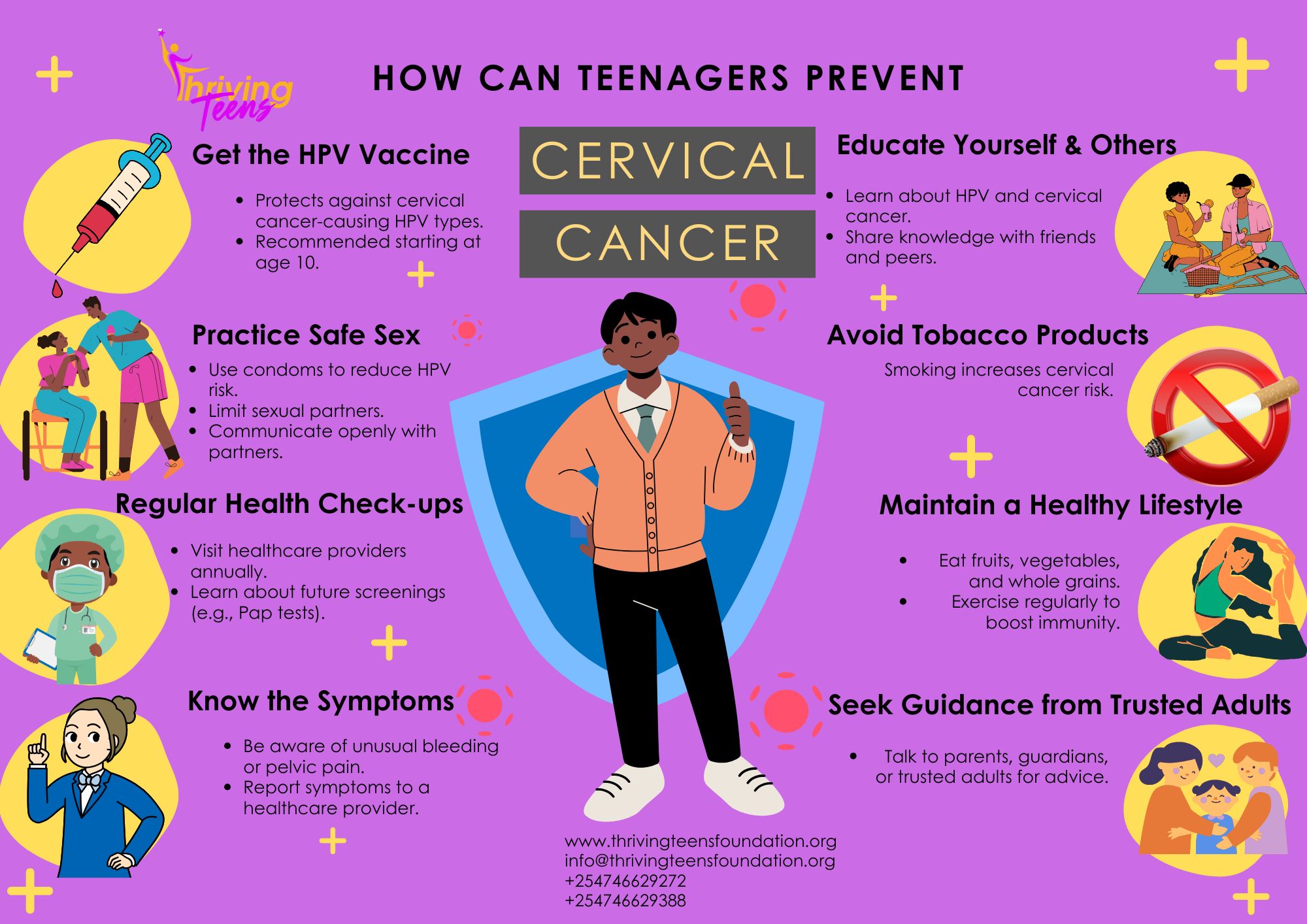
– Recommended Age: The vaccine is recommended for preteens (ages 10), but it can be given as early as 9 years old. Vaccination is also advised for young adults up to age 26. Some guidelines suggest that individuals up to age 45 might benefit from vaccination, depending on risk factors and discussions with a healthcare provider.
– Gender: The vaccine is recommended for all genders, as HPV can affect both males and females, leading to various cancers.4. How is the Vaccine Administered?
– Dosage Schedule: The HPV vaccine is given in a series of doses:
– For those starting the series before their 15th birthday, a 2-dose series is recommended (with the second dose given 6-12 months after the first).
– For those starting at age 15 and older, a 3-dose series is required (at 0, 1-2 months, and 6 months after the first dose).
5. Safety and Side Effects
– Safety: The HPV vaccine has been demonstrated to be safe and effective in extensive studies. The benefits of vaccination far outweigh the risks of potential side effects.
– Common Side Effects: Mild side effects may include soreness at the injection site, fever, fatigue, headache, and nausea. Serious side effects are very rare.
6. Efficacy
– Effectiveness: The HPV vaccine has been found to be very effective in preventing infections with the targeted HPV types, leading to a significant reduction in the incidence of cervical cancer and other HPV-related diseases.
– Long-Term Benefit: Studies indicate that the vaccine provides long-lasting immunity, and booster shots are not currently necessary.
7. Importance of Vaccination
– Cervical Cancer Prevention: Vaccination is one of the most effective ways to prevent cervical cancer and is an essential part of overall sexual health and preventative care.
– Public Health Impact: Widespread vaccination can significantly reduce the prevalence of HPV. This, in turn, can lead to a decrease in the occurrence of cervical cancer, benefiting public health.
8. Complementary Preventive Measures
– Regular Screenings: While the vaccine significantly reduces the risk of cervical cancer, it does not guarantee 100% protection. Regular cervical cancer screenings (Pap smears and HPV tests) are still necessary for early detection and prevention.