
Table of Contents
Human Papillomavirus (HPV) is one of the most common viral infections globally and in Kenya, it is a leading cause of cervical cancer among women. According to the Ministry of Health Kenya, cervical cancer is the second most common cancer among Kenyan women, with thousands of new cases diagnosed each year.
What is HPV?
Human papillomavirus (HPV) is a common sexually transmitted infection, and according to the World Health Organization, “almost all sexually active people will be infected at some point in their lives, usually without symptoms”
While most infections are cleared naturally by the immune system within one to two years, persistent infection with high-risk HPV types is a leading cause of cervical cancer and is associated with other cancers of the anus, vulva, vagina, mouth, throat, and penis
Globally, the prevalence is high in both sexes, with an estimated 1 in 3 men infected with at least one genital HPV type and approximately 11.7% of women worldwide harboring a detectable cervical infection
Why the HPV Vaccine Matters
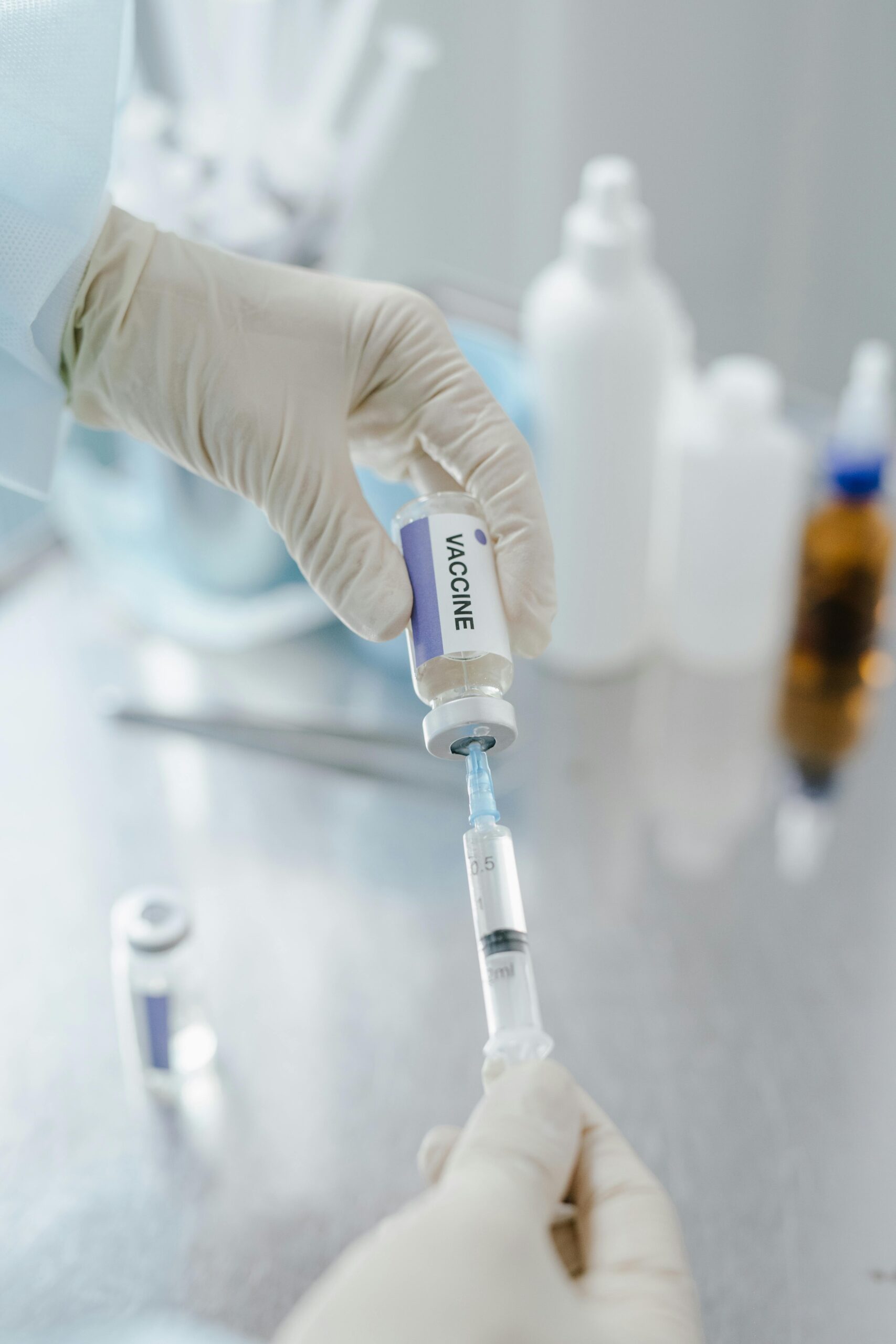
The HPV vaccine is a safe and effective way to prevent the types of HPV that cause most cervical cancers. It works best when given before exposure to the virus, meaning during early adolescence.

In Kenya, the government introduced the HPV vaccine into the routine immunization schedule in 2019. It is primarily offered to girls aged 10 years, with increasing efforts to reach more adolescents.
What Does the Data Say?
Findings from the Kenya Demographic and Health Survey highlight gaps in awareness and uptake of adolescent health services, including vaccines. While progress has been made, many eligible girls still miss out due to:
- Limited awareness
- Misinformation
- Access challenges in rural areas
Is the Vaccine Safe?
Yes. The HPV vaccine has been rigorously tested and approved by global health bodies like the World Health Organization. Millions of doses have been administered worldwide with a strong safety record.
Key Takeaway
Vaccinating early can prevent future cancers. Parents, guardians, and teens should actively seek accurate information and take advantage of free vaccination services offered in public health facilities.