What Every Teen and Parent in Kenya Needs to Know About the HPV Vaccine
What HPV is, why the vaccine matters, what the data says and whether it is safe — explained simply.
Adolescence can feel like a whirlwind — for young people and for the adults who love them. We help parents and guardians navigate these years with confidence.
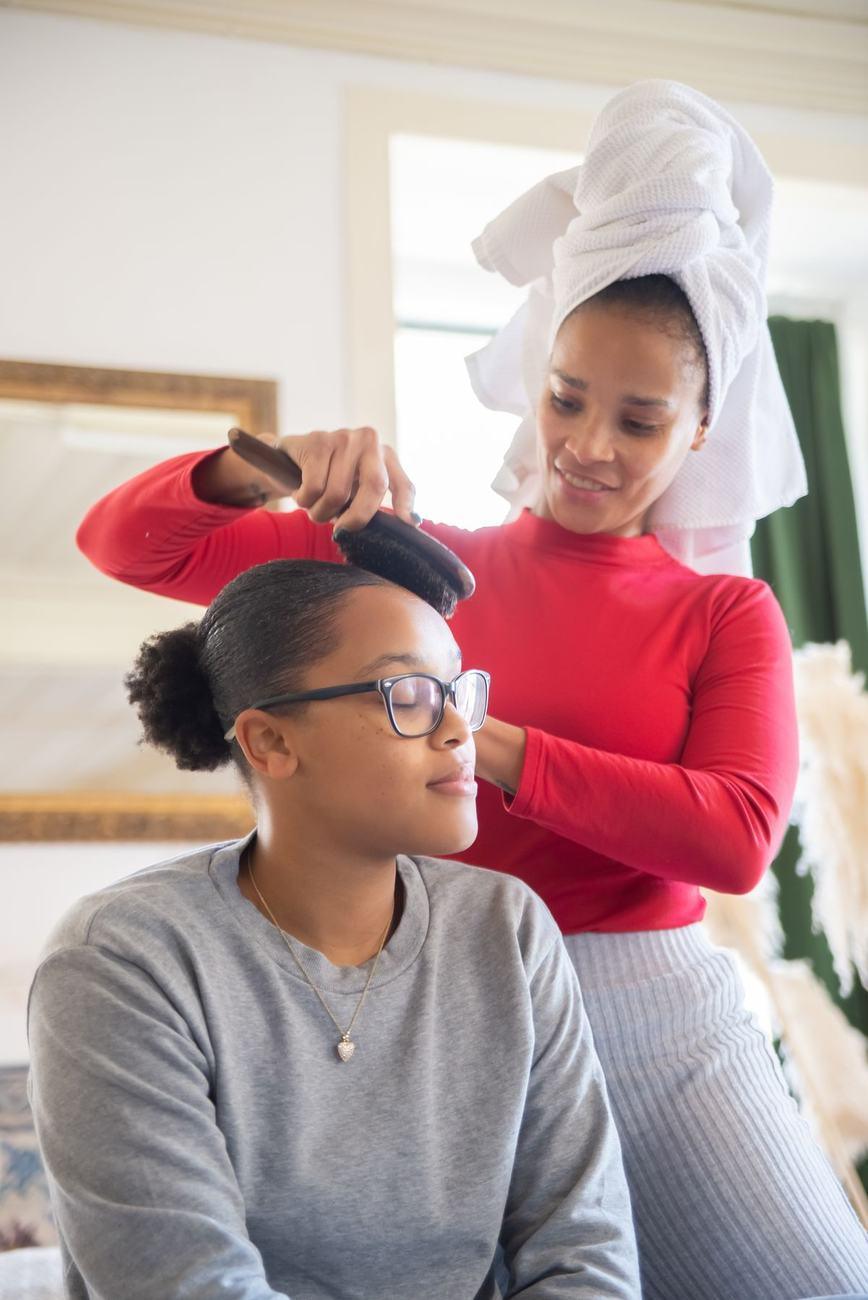
Young people who can talk openly with a trusted adult are better able to make healthy, safe decisions. Yet many parents tell us they don’t know where to start — or worry about saying the wrong thing.
Our parent and guardian capacity-building workshops give you the knowledge, language and confidence to support healthy, happy, all-rounded adolescents.
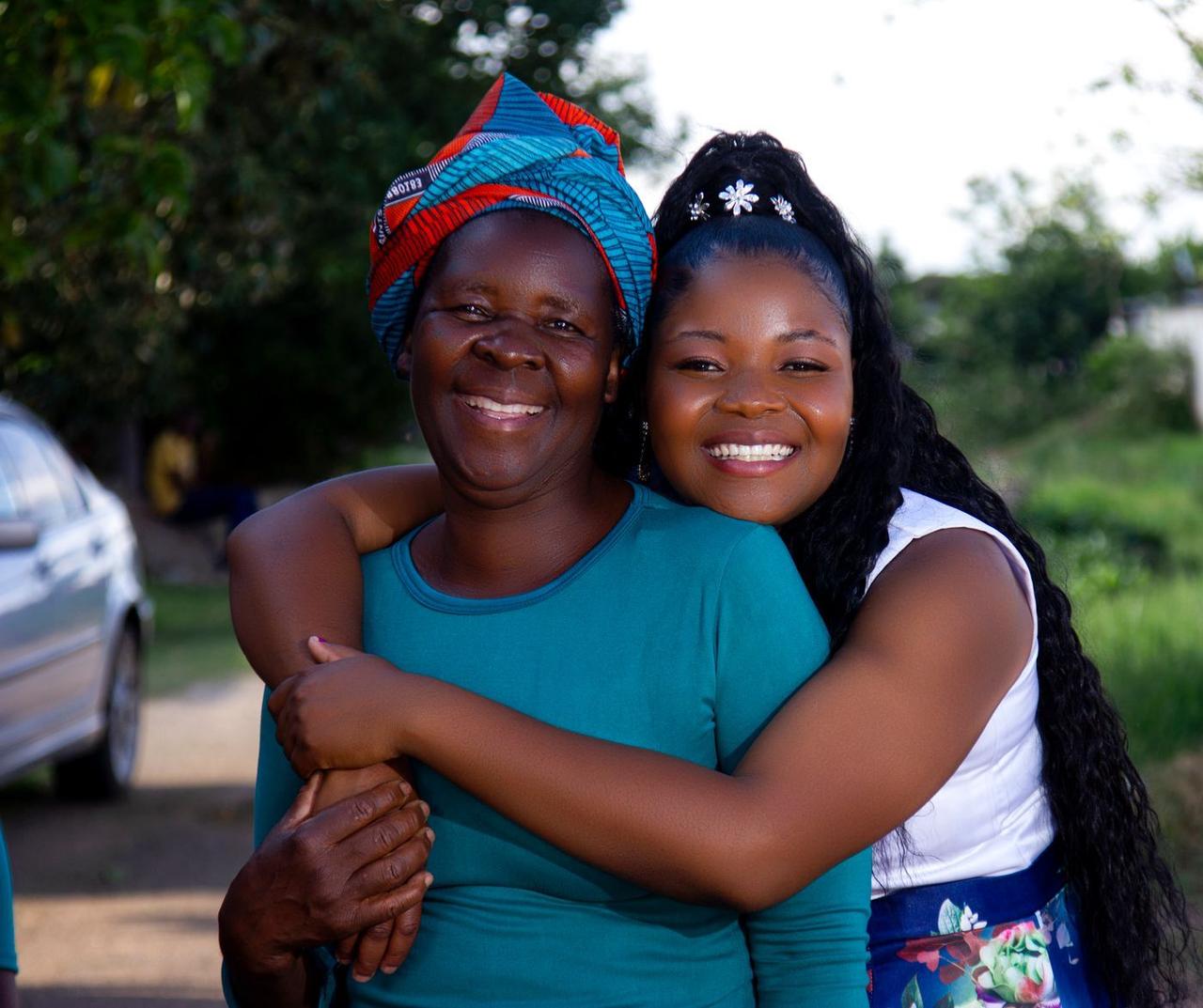
Small, regular conversations work better than one big “talk”.
Ask open questions and stay calm — even when a topic surprises you.
A song, a news story or a TV show can open the door naturally.
Clear, age-appropriate facts protect young people and build trust.
Stay involved while giving your teen room to become independent.
Changes in sleep, mood, appetite or friends can signal stress. Reach out early.
Delivered for schools, churches, workplaces and community groups.
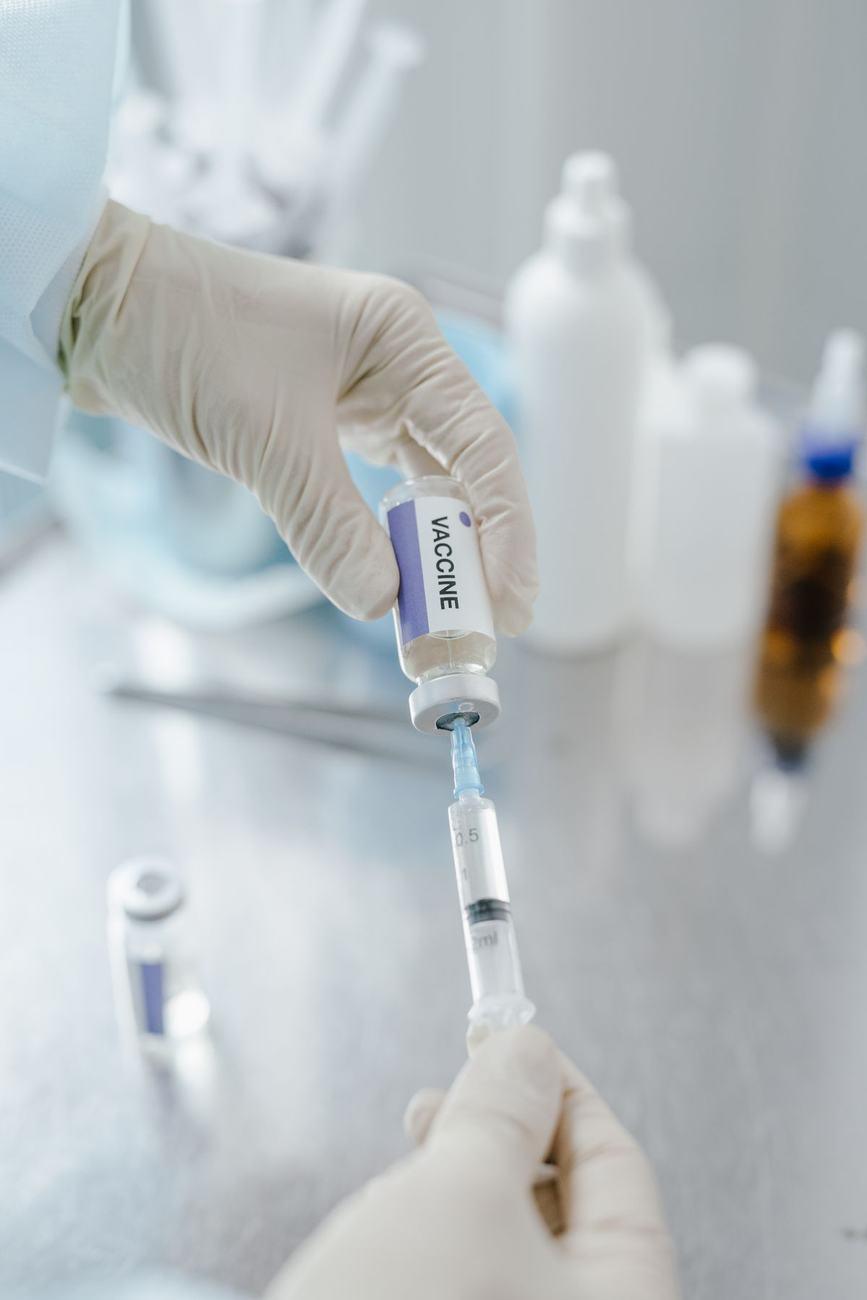
What HPV is, why the vaccine matters, what the data says and whether it is safe — explained simply.
Infertility? Only for sexually active people? We separate fact from fiction on one of Kenya’s most important vaccines.
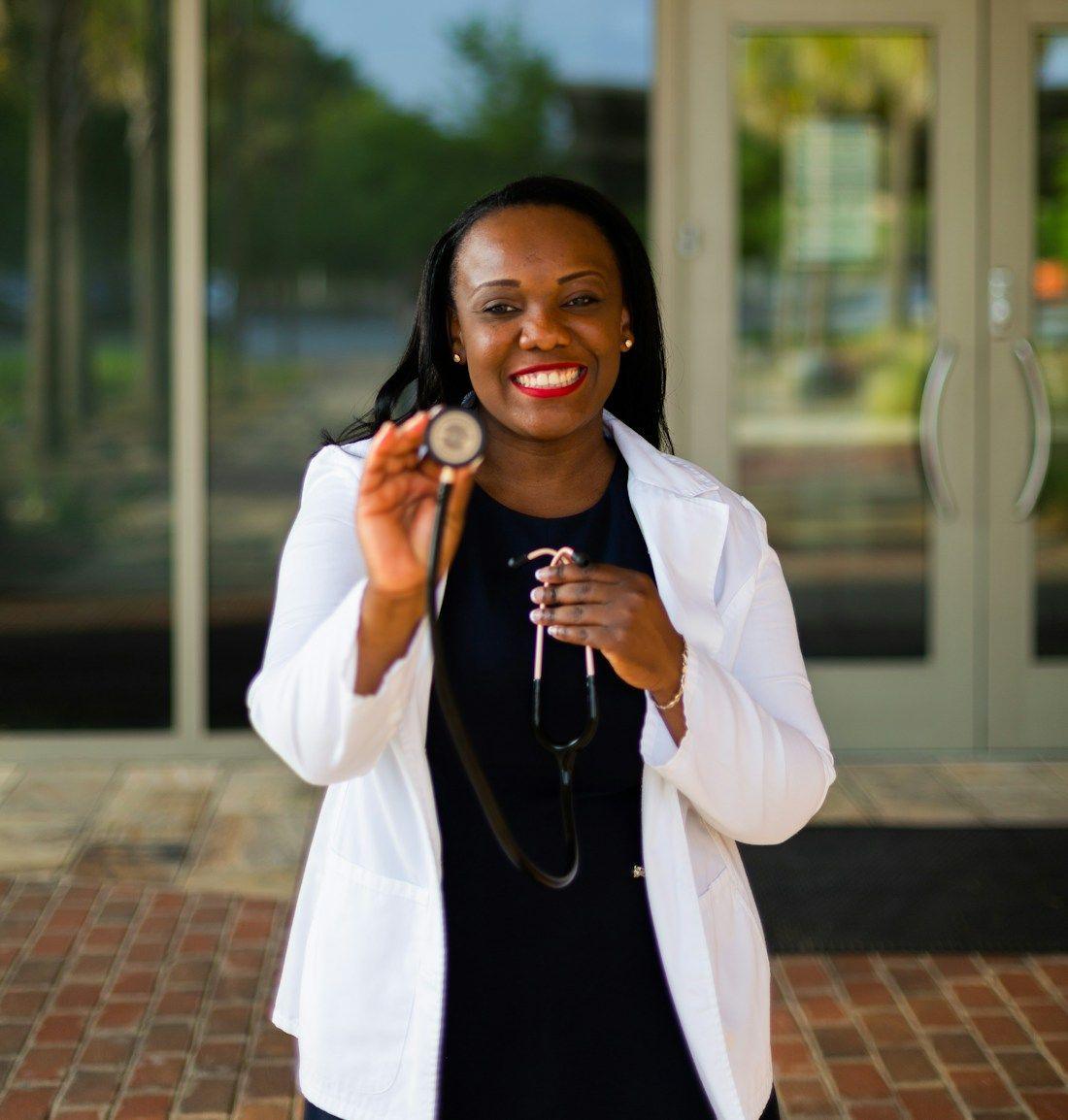
Vaccines are not just for babies. Boosters, catch-up doses and the HPV vaccine all matter in your teenage years.
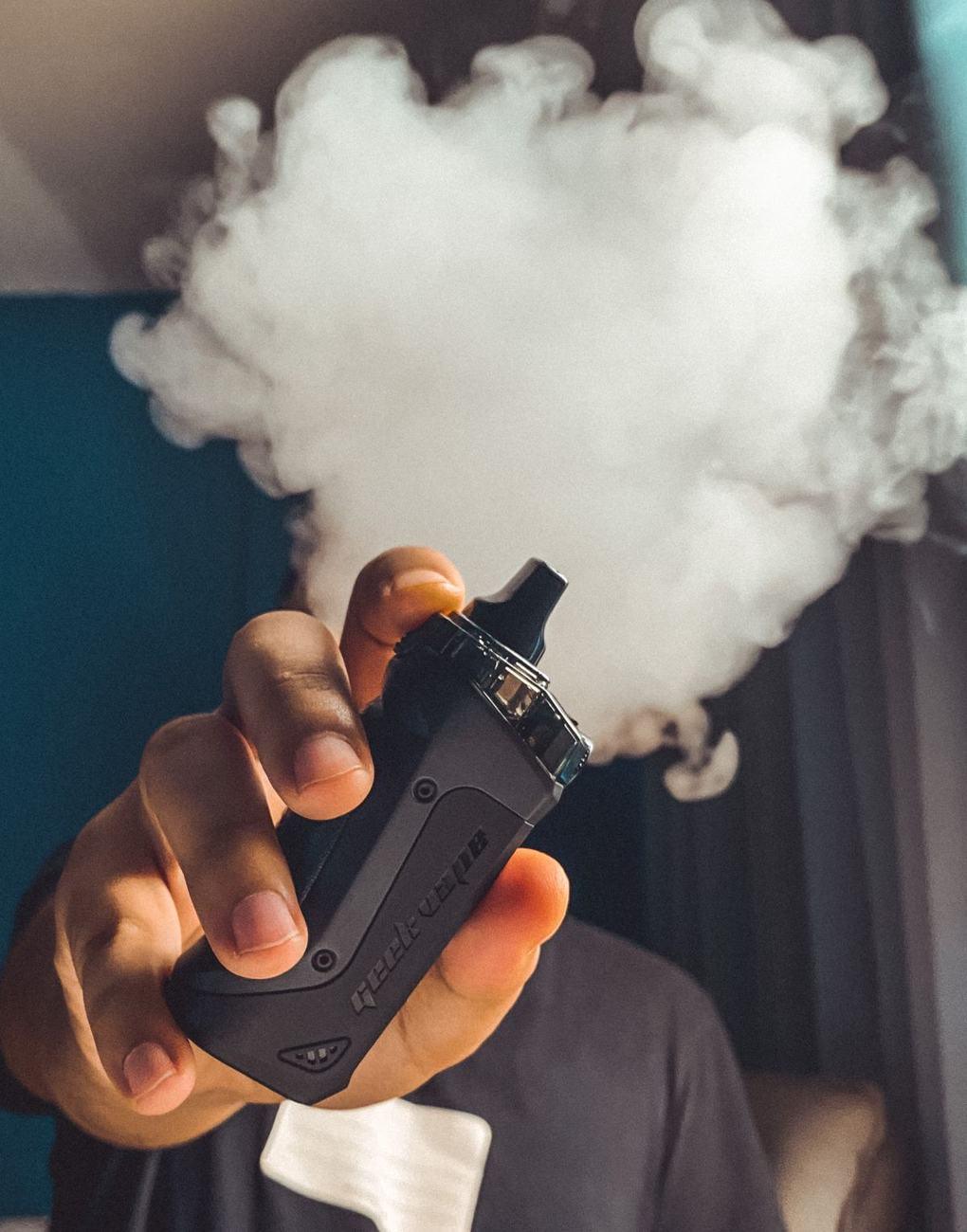
Nicotine and cannabis affect a developing brain. Here is what to know — and how to handle the pressure when it comes.

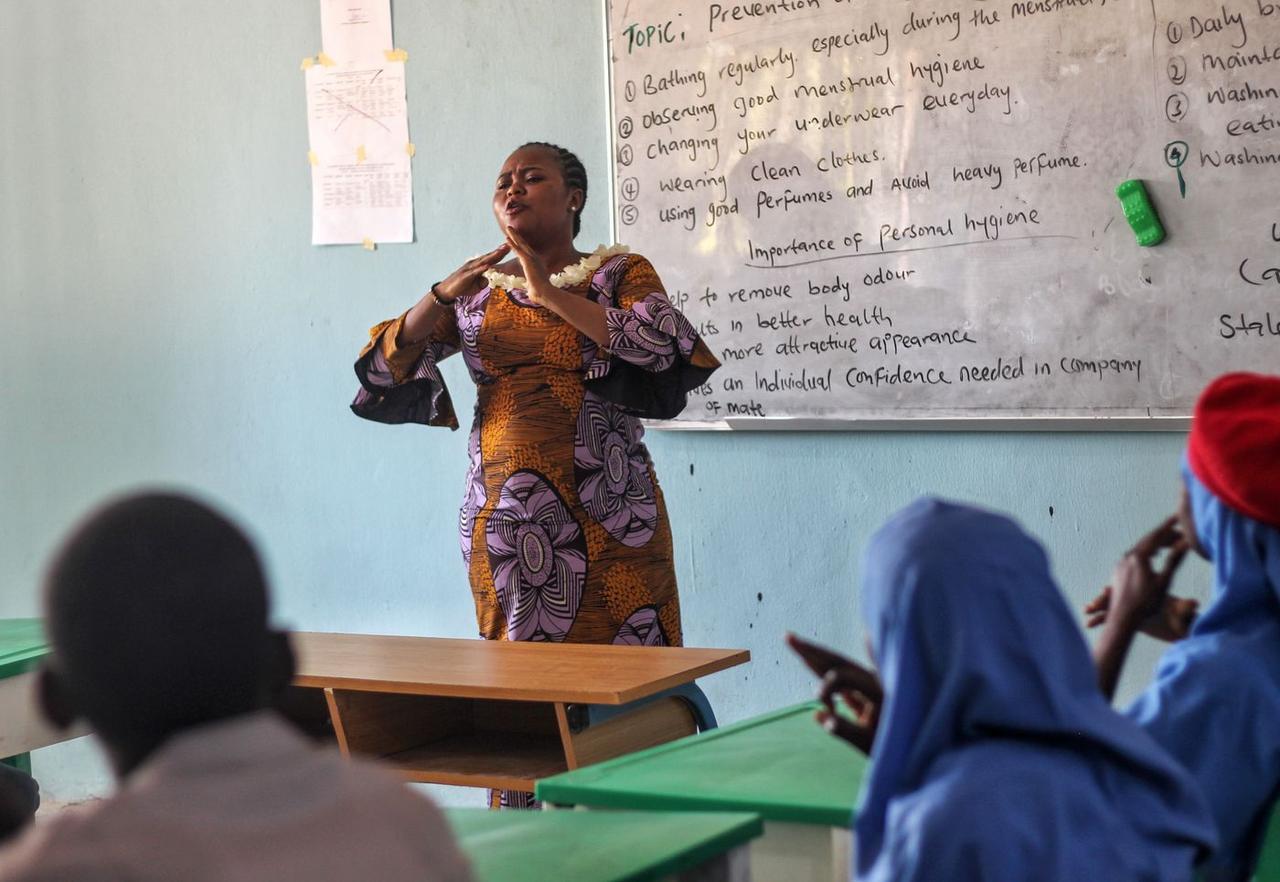
Periods are normal, healthy and nothing to be ashamed of. Here are the facts behind common myths.

Treatment, self-care and practical ways to cope — a guide for teens living with sickle cell anaemia.
No. Evidence reviewed by UNESCO and the World Health Organization shows that accurate, age-appropriate sexuality education does not lead to earlier sexual activity. Instead, it helps young people delay sex, make safer choices and recognise abuse. Your openness is protective.
The vaccine works best before any exposure to HPV, which is why it is recommended for young adolescents (around 10–14). In Kenya, the HPV vaccine has been part of the routine immunisation schedule since 2019 — ask your nearest health facility about eligibility. Read our HPV guide
Involve your teen gradually in managing their own care — booking appointments, understanding medication and asking questions. Talk early and openly about puberty, relationships and reproductive health, which can have extra considerations for young people with conditions like HIV, sickle cell, diabetes or heart disease. We can help: talk to our team.
Look out for changes that last more than a couple of weeks: withdrawal from friends or family, changes in sleep or appetite, falling grades, irritability or losing interest in things they enjoyed. Listen without judgement and seek help from a health worker or counsellor. Befrienders Kenya (0722 178 177) and Childline Kenya (116) offer free support.
Yes. Nicotine in vapes, cigarettes and pouches is highly addictive and can affect concentration, mood, sleep and brain development. Talk to your teen calmly about pressure and choices. Read: What young people should know
Tell us about your group and we’ll tailor a session to your needs.