
Keeping young people safe.
The safety and wellbeing of every child and young person we work with comes first — always. We have zero tolerance for abuse, exploitation or harm.
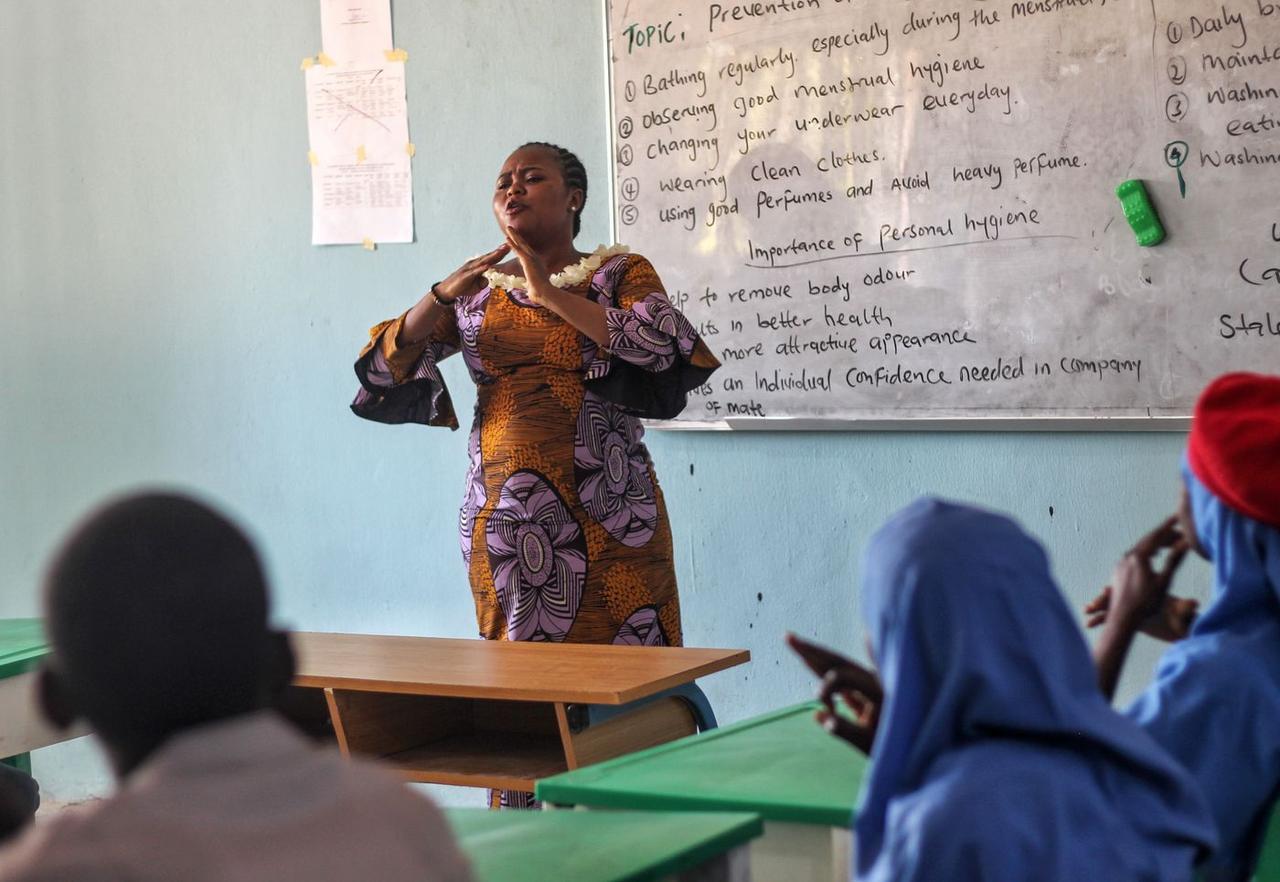
The best interests of the child come first.
Thriving Teens Foundation works with adolescents — many of them under 18, and some living with chronic conditions or disabilities. We recognise our duty to protect them from all forms of harm, abuse, neglect and exploitation, in line with the Constitution of Kenya (Article 53), the Children Act 2022 and the UN Convention on the Rights of the Child.
Everyone who works with us — staff, board members, volunteers, facilitators, consultants and partners — is expected to uphold these standards and to report any concern immediately.
How we keep programmes safe.
Safer recruitment
Staff, volunteers and facilitators are vetted, referenced and briefed on our code of conduct before working with young people.
Code of conduct
Clear rules on professional boundaries, respectful language and appropriate contact — online and offline.
Consent & assent
We seek informed consent from parents or guardians and assent from adolescents for activities, photos and research.
Never alone, unobserved
Activities are planned so that adults are not left alone and unobserved with a young person.
Privacy & images
Personal information and images are collected only with consent, stored securely and used responsibly.
Inclusive protection
Extra care for adolescents with disabilities, chronic conditions or other vulnerabilities.
If something doesn’t feel right, tell us.
You can raise a concern about the behaviour of anyone connected to Thriving Teens Foundation, or about the safety of a young person in our programmes.
Make sure the young person is safe
If there is immediate danger, call 999 or 112 first.
Contact our Safeguarding Focal Point
Email info@thrivingteensfoundation.org with the subject “CONFIDENTIAL – Safeguarding”, or call +254 746 629 388.
We respond
Your report is treated confidentially, acknowledged promptly and handled fairly — and referred to the relevant authorities where required by law.
What to include
- What happened, when and where
- Who was involved (if known)
- Whether the young person is currently safe
- How we can reach you — or report anonymously
You do not need proof to raise a concern. Retaliation against anyone who reports in good faith is not tolerated.
Support is always available.
Helpline details are provided for information; services are run by independent organisations.