Vaping, Smoking, Weed and Other Substance Use: What Young People Should Know
Nicotine and cannabis affect a developing brain. Here is what to know — and how to handle the pressure when it comes.
Honest, judgement-free information and support for young people — on health, feelings, relationships, school and what comes next.
What are you looking for today? Tap an option to see where to start.
Pick a topic to explore — no question is too small or too awkward.
What’s changing and why — periods, growth, hygiene.
ExploreStress, confidence, body image and feeling low.
ExploreFriendships, family, dating, boundaries and consent.
ExploreHPV vaccine, immunisation and knowing your body.
ExploreVaping, smoking, weed and how to say no.
ExploreCareers, personal branding and leaving home.
ExploreYour rights, staying safe and where to get help.
ExploreHIV, sickle cell, diabetes, heart disease & more.
Explore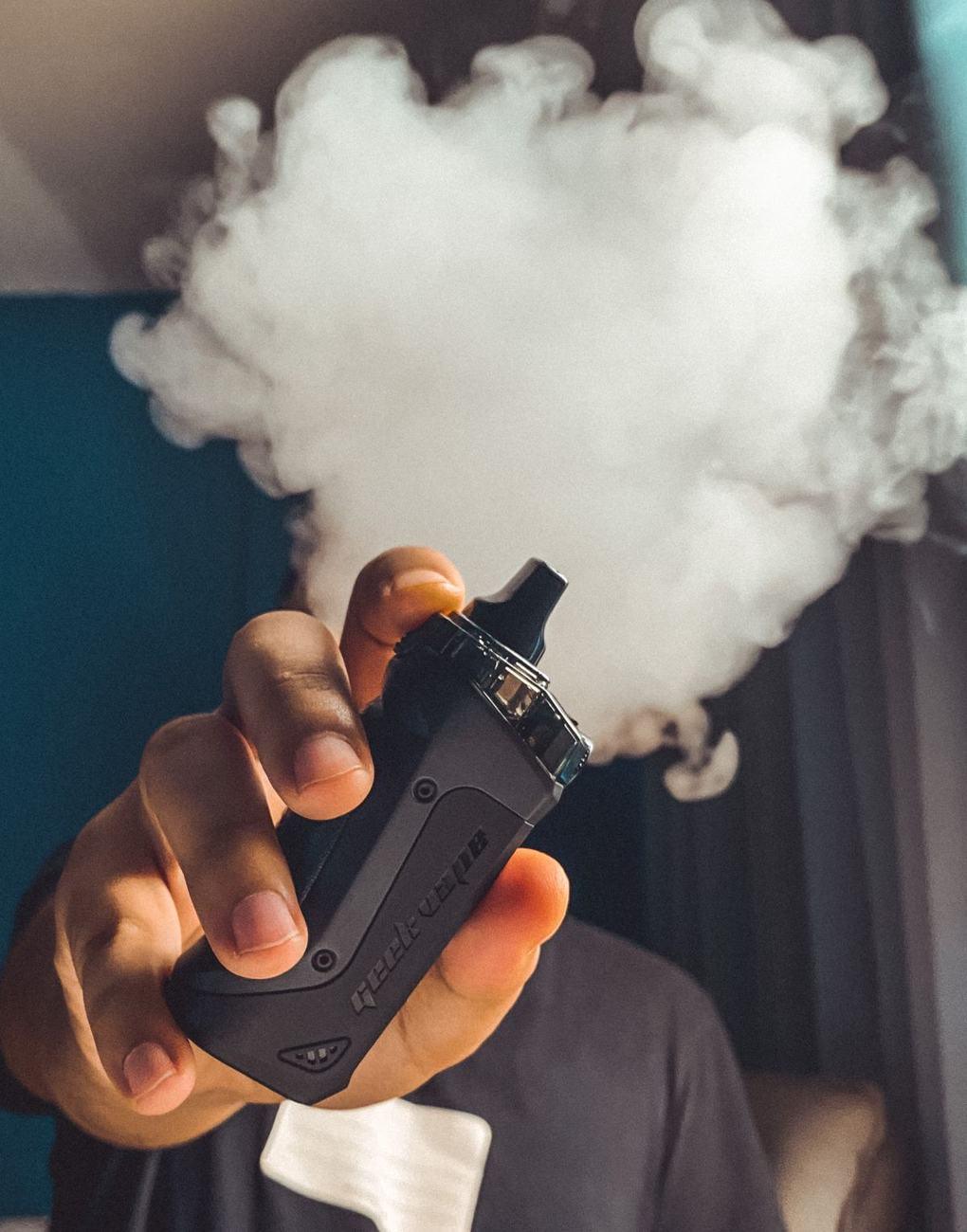
Nicotine and cannabis affect a developing brain. Here is what to know — and how to handle the pressure when it comes.
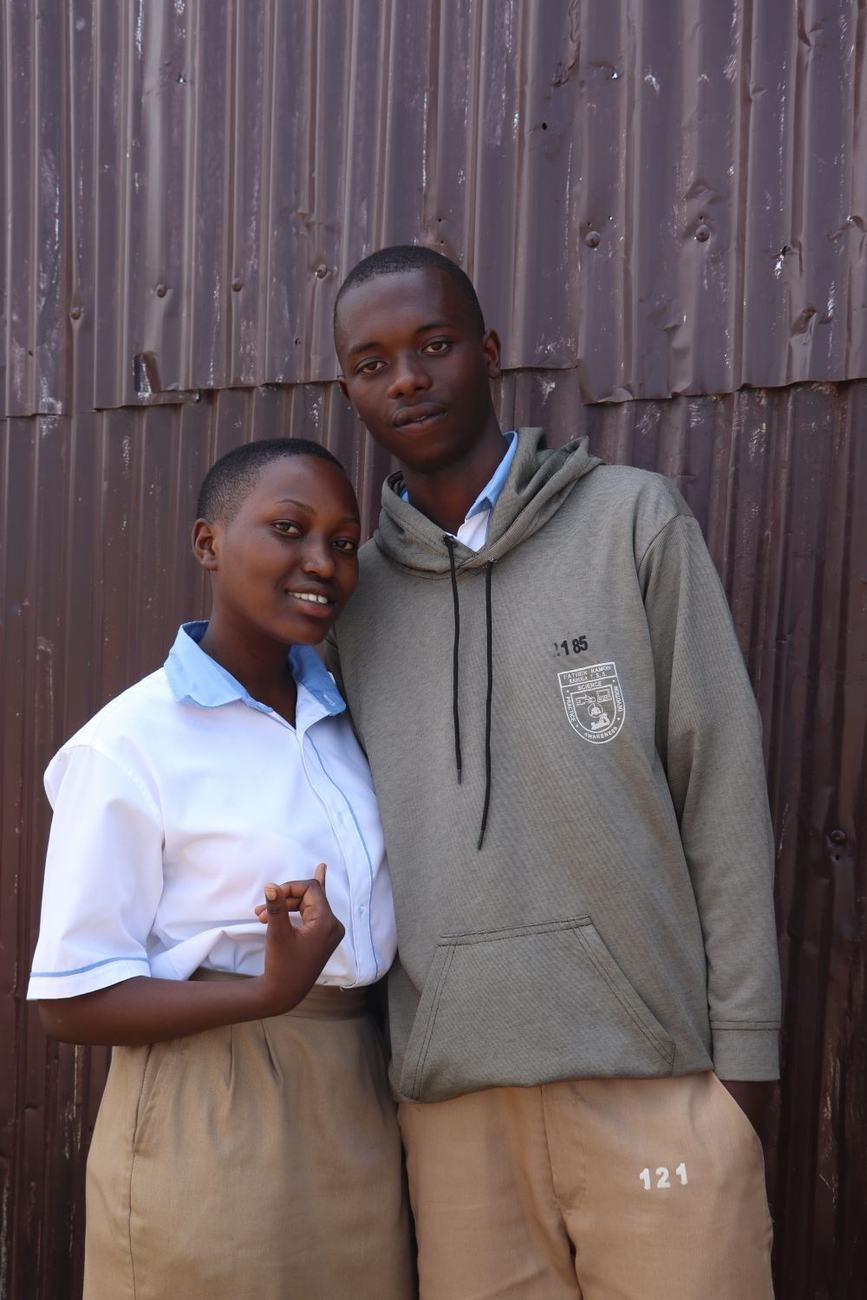
Replies get shorter, someone goes quiet… Six common friendship conflicts and what actually helps.
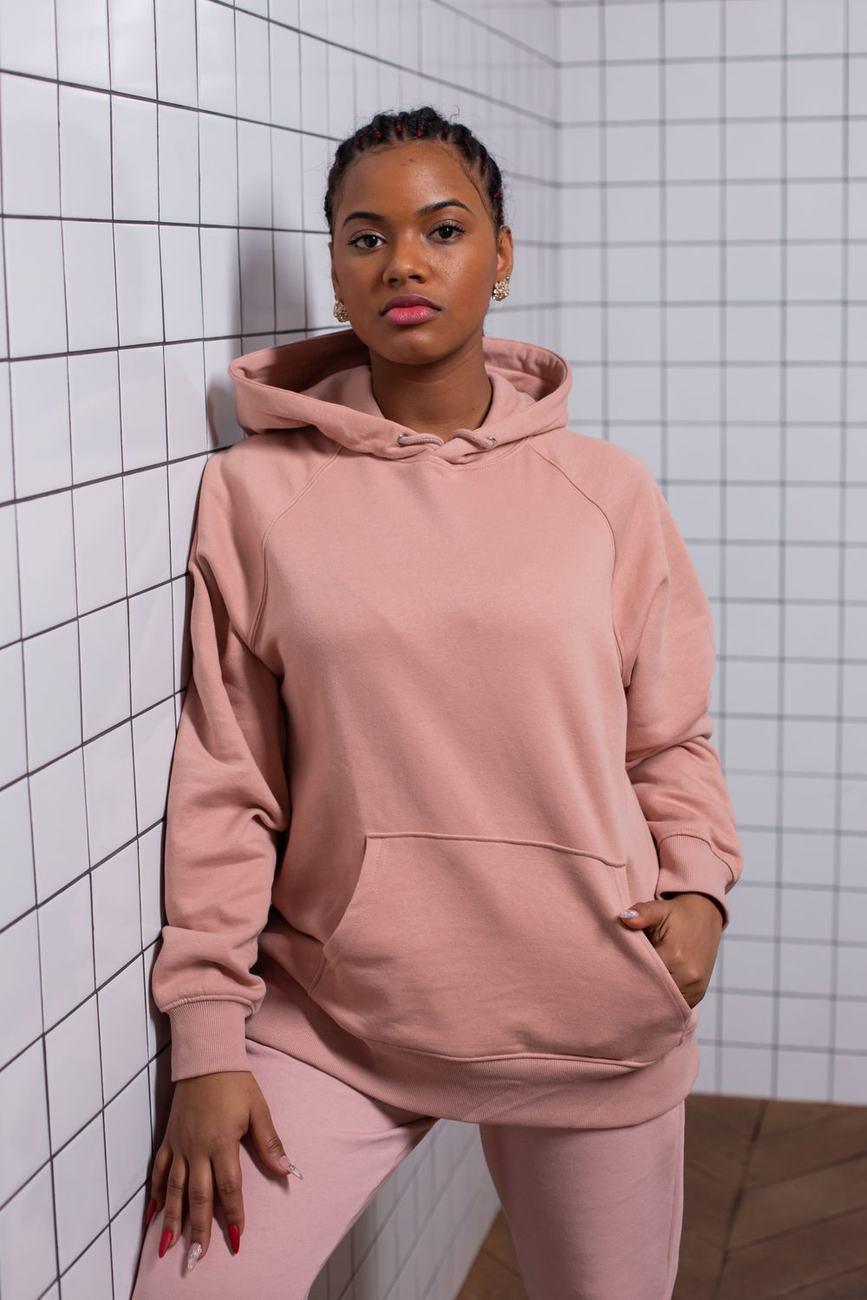
Periods are normal, healthy and nothing to be ashamed of. Here are the facts behind common myths.

At 14, Kevin learned he was born with HIV. At 17, he is thriving — and helping other young people dream big.
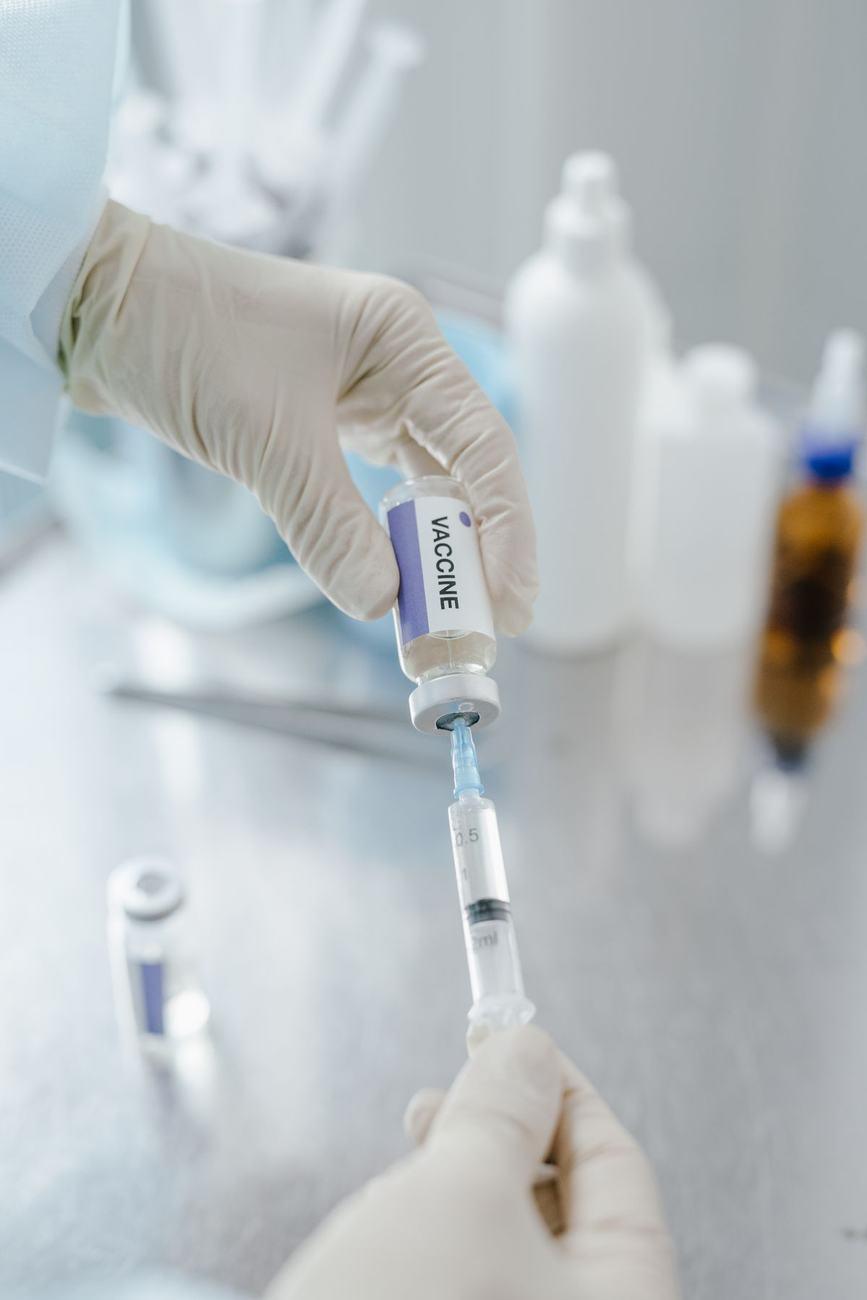
What HPV is, why the vaccine matters, what the data says and whether it is safe — explained simply.
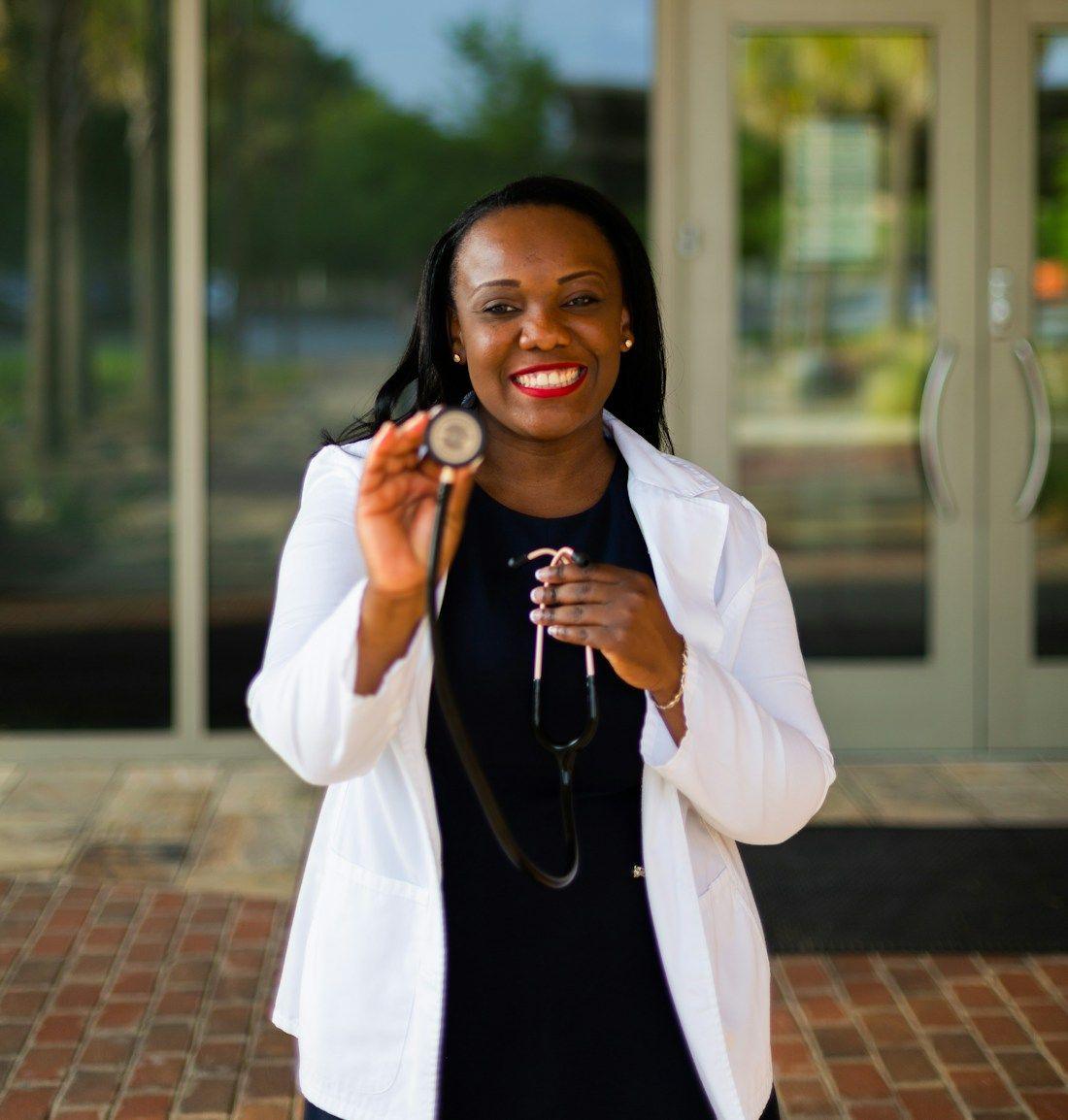
Vaccines are not just for babies. Boosters, catch-up doses and the HPV vaccine all matter in your teenage years.
Yes. Puberty usually starts somewhere between about 8 and 14, and everyone moves at their own pace. Differences in height, shape, voice, skin and periods are normal. If something worries you, it is always okay to ask a health worker or a trusted adult.
Periods usually begin between the ages of 9 and 16, and a cycle can last anywhere from 21 to 35 days. In the first year or two, it is common for periods to be irregular. Periods are normal and healthy — you are not “dirty” or “untouchable”, and you can bathe, swim and go to school as usual. Read: Myths about menstruation
Give yourself a moment before responding. A calm “No, I’m okay” is enough. You can change the topic, move away or leave. Real friends respect your choices — you do not need to try everything to belong. Read: What young people should know
Consent is a clear, freely given “yes” to something — and you can change your mind at any time. It cannot be given under pressure, threats, or when someone is drunk, high or asleep. Silence is not consent. In Kenya, the law sets the age of consent to sex at 18.
The HPV vaccine protects against the virus types that cause most cervical cancers. It works best before any exposure to HPV, which is why it is recommended for young adolescents (around 10–14). It has been used for over a decade worldwide with extensive safety monitoring, and there is no scientific evidence linking it to infertility. Read: HPV vaccine myths
Absolutely. With the right care, information and support, young people living with chronic conditions study, play sport, build careers and relationships, and follow their dreams. Keep taking your medication, ask your care team questions, and remember — you are not alone. Read Kevin’s story
You deserve support. Try talking to someone you trust — a parent, guardian, teacher, counsellor or friend. You can also call Befrienders Kenya (0722 178 177) or Childline Kenya (116) for free, confidential support. If you ever think about harming yourself, please reach out right away.
It is not your fault, and you have the right to be safe. Tell a trusted adult and call Childline Kenya on 116 (free, 24/7). If you are in immediate danger, call 999 or 112. For sexual or gender-based violence, the Gender Violence Recovery Centre helpline is 0800 720 565 (toll-free).
Send us a question about your body, health, feelings, relationships or future. Our team will reply or add the answer to our FAQs.
Need to leave this page fast? Use the Quick exit button at the bottom of your screen.