Sickle Cell Anaemia: Coping and Support
Treatment, self-care and practical ways to cope — a guide for teens.

Together, we will find a creative way to make it fun, inclusive and truly wholesome — from pain crises to school, friendships and growing up.

Red blood cells can become rigid and sickle-shaped, blocking vessels and causing pain, infection risk and tiredness. In Kenya it is one of the more common inherited conditions — and adolescence adds puberty, school pressure and the move toward adult care.
This page is for young people, families and teachers. It is not a substitute for clinical care. Always follow your clinic’s plan.
Dehydration, cold, infection and over-exertion can spark a crisis. Plan water, rest and warmth.
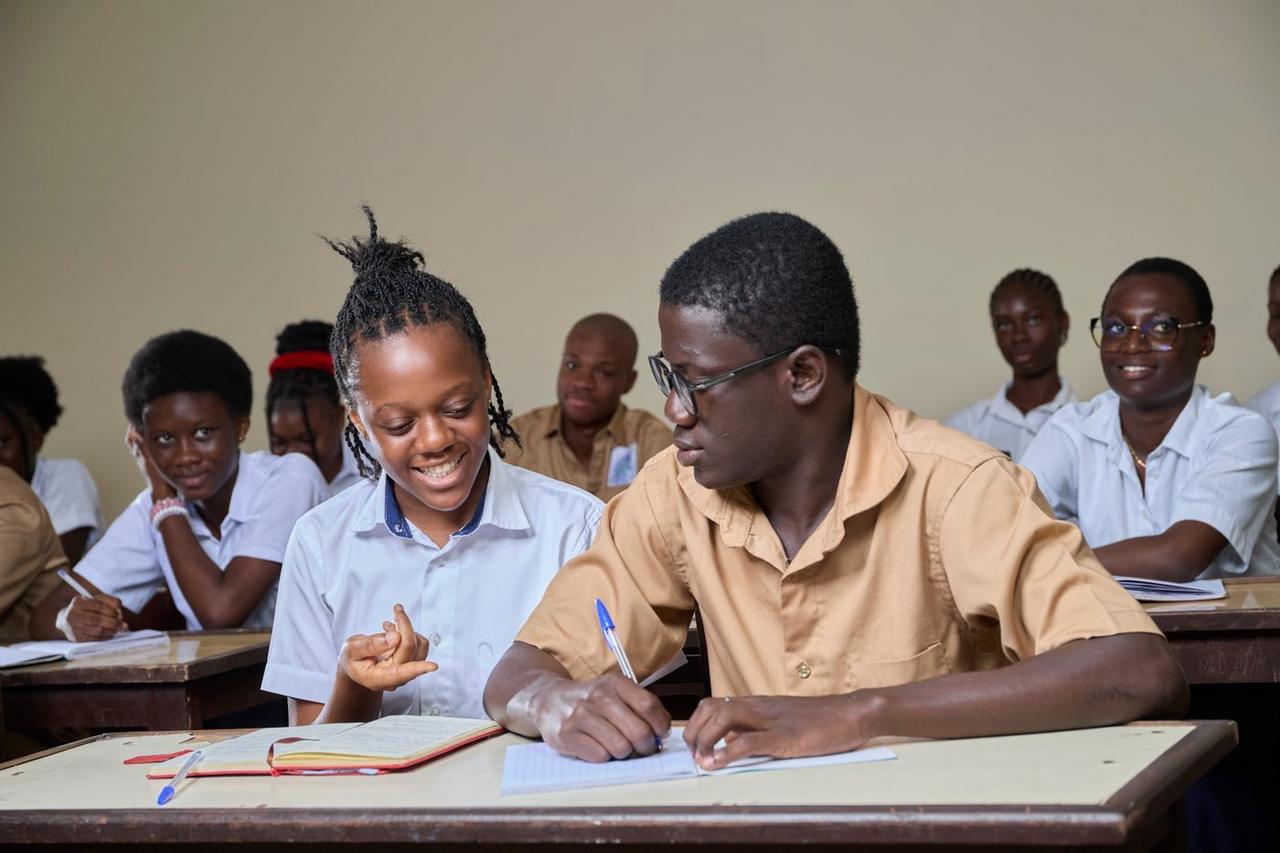
Share a simple care plan with a trusted teacher so absences and pain are handled with dignity.
Delayed puberty and extra care around pregnancy are common topics — ask your clinician early.
Pain and hospital time are heavy. Talking to a counsellor or peer is strength, not weakness.
You choose what to share. A short, honest line often beats silence when plans change.
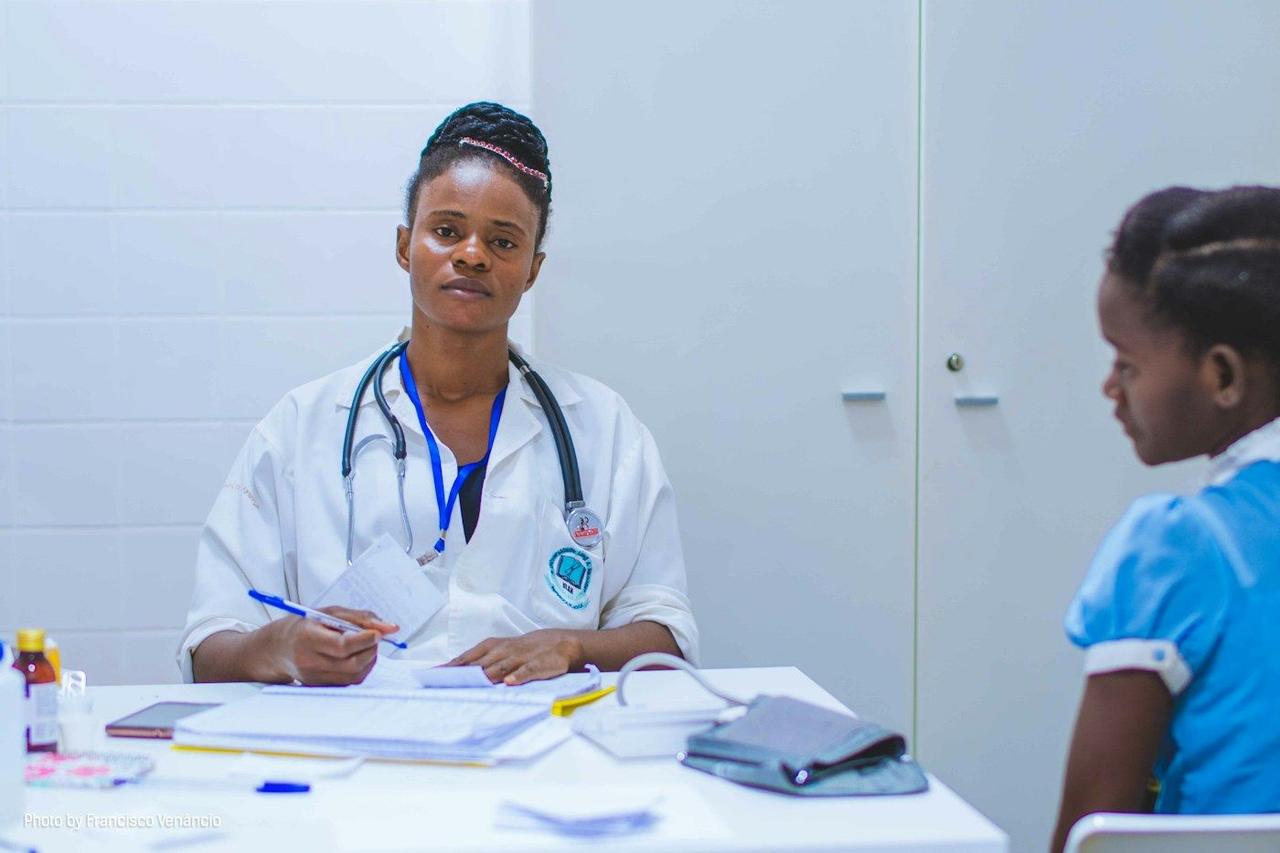
Fever, chest pain, severe headache or sudden weakness need urgent care. Keep clinic numbers handy.
Our workshops, mentorship and parent sessions make space for teens living with sickle cell — movement that can be adapted, information that is honest, and peers who get it.